
Designing for Dignity: Lessons from CSW70 on Safety, Agency, and Women’s Inclusion
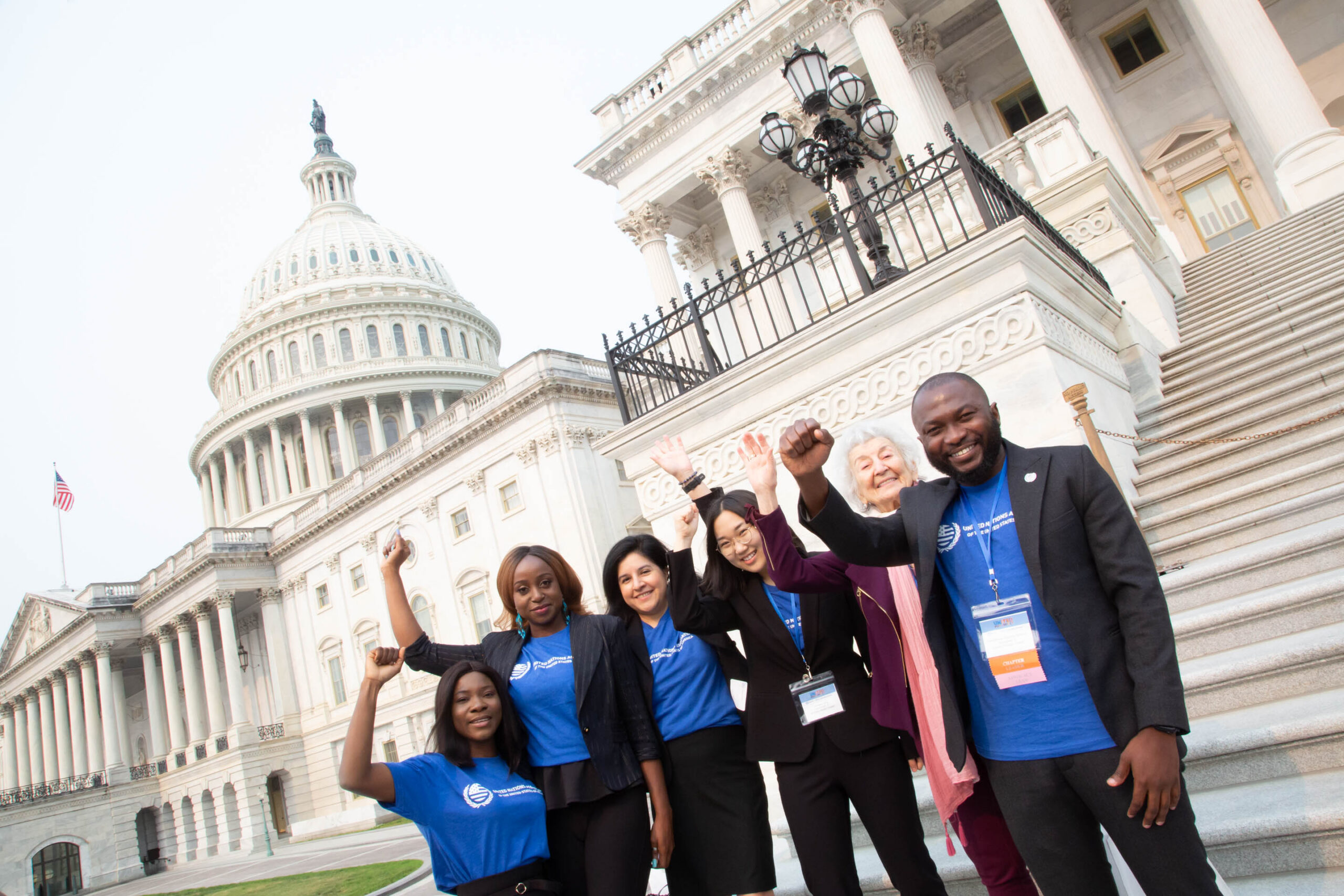
Attending the Commission on the Status of Women (CSW70) at the United Nations has been a deeply grounding and clarifying experience. Across multiple sessions, I was struck by how interconnected the challenges facing women and girls are—spanning economic systems, political participation, and access to justice. What emerged clearly is this: gender equality cannot be achieved in silos. Whether we are discussing economic empowerment or peace-building, the foundation must be rooted in safety, agency, and inclusion.
Addressing gender-based violence is not separate from these goals—it is foundational to achieving them.
This conversation also resonated deeply with my work in advancing gender equality through sport. In many communities, sport is a powerful entry point for education, leadership, and economic opportunity for girls.
Economic Empowerment Requires Safety
Sitting in a session at United Nations Headquarters, I was reminded that women’s economic empowerment cannot exist in isolation. Being in the room—listening to policymakers, practitioners, and advocates from different regions—brought a deeper understanding of how interconnected economic opportunity and safety truly are. Speaker after speaker emphasized a powerful truth: without safety, agency, and control over financial resources, economic inclusion remains incomplete.
Throughout the session, speakers highlighted how gender-based violence continues to shape women’s economic realities. One speaker from Jordan shared how national efforts are increasingly focusing on linking economic participation with safety and legal protections. Hearing these real-world examples grounded the conversation beyond theory and into practice.
A key theme that emerged was the role of data and partnerships in shaping policy. Initiatives like Jordan’s Enhancing Women’s Economic Opportunities Project demonstrate how evidence-based approaches can inform national strategies to increase women’s participation in the private sector.
What stood out most to me was the emphasis on financial abuse as a hidden but critical barrier. Even when women are employed, a lack of control over income or access to financial services can limit their independence. This reframes economic empowerment—not just as access to jobs or financial tools, but as the ability to safely earn, maintain control, and exercise choice within economic systems. Ultimately, it is about agency.
Why There Is No Peace Without Women
Another powerful session explored women’s political participation, access to justice, and the Women, Peace and Security agenda. There is no peace without women. And there is no justice without their participation.
What stood out immediately was how interconnected these issues are—not as abstract policy themes, but as lived realities shaping the safety, dignity, and futures of women globally.
Justice begins long before the courtroom—it starts when women are believed, when systems respond, and when institutions are designed to protect—not exclude. Hearing voices from conflict settings like Ukraine reinforced that women’s rights are not separate from security—they are security.
As someone working at the intersection of AI, governance, and global development, this experience expanded how I think about systems. Whether in technology or policy, the same principle applies: If inclusion is not built into the foundation, exclusion becomes the outcome.
Closing Reflection and Call to Action
Across these sessions, one message remains clear: progress is not just about access—it is about how systems are designed and who they are designed for. Economic inclusion without safety is fragile. Peace without participation is incomplete. The call to action is clear: governments, private sector actors, and civil society must work together to ensure that gender equality efforts are not only scalable, but also equitable and protective. Because participation is not just representation—it is protection. It is power. And ultimately, it is peace.