
For Every Girl and Woman Who Deserves More: Reflections from CSW70 on Advancing Gender Equality Through Action, Justice, and Innovation
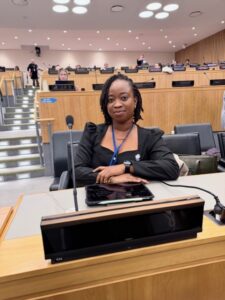
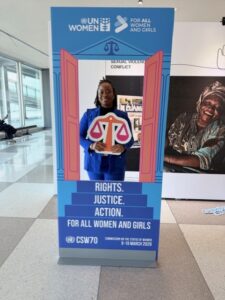
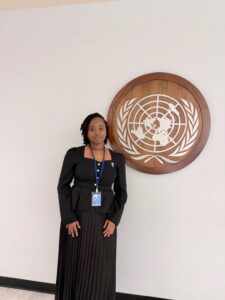
 I was truly honored to attend the Commission on the Status of Women (CSW70) in New York City as a delegate in March 2026. It was a privilege to sit in rooms filled with global leaders, advocates, ambassadors, and change makers who are actively shaping the future of gender equality.
Every session I attended was impactful, and every opportunity to engage with delegates and ambassadors was eye-opening. It deepened my understanding of how I can contribute meaningfully to the world and, more importantly, how I can play a role, even if small, in helping at least one girl access opportunities she deserves.
Across the five sessions I participated in, one message stood out clearly: gender equality is not a distant ideal; it is an urgent, actionable responsibility that requires systemic change, accountability, and collective commitment.
1) Education Without Barriers: A Fundamental Right, Not a Privilege
The Czech-led session, “Don’t Stop Them Now: Education Without Barriers,” reinforced that education is more than access; it is about dignity, identity, and opportunity.
Learning that 122 million girls worldwide remain out of school was sobering. Barriers such as poverty, care giving responsibilities, pregnancy, and lack of access to menstrual products continue to disrupt education for many girls.
One standout solution was the Czech Republic’s 2024 policy requiring schools to provide menstrual products. This simple yet transformative policy ensures that no girl’s education is interrupted by a lack of necessities. It reminded me that practical, intentional policies can create immediate and meaningful change.
The session reinforced a critical point:
Access alone is not enough. Education systems must be safe, inclusive, and responsive to vulnerability. Schools must be environments where students are supported, not punished, for their circumstances.
My key takeaway: Education must be a place of safety.
2) Gender Equality Laws: Moving Beyond Formal Commitments
Discussions on gender equality laws, including perspectives from Albania, highlighted a key gap between legislation and lived reality.
While anti-discrimination laws are essential, they do not automatically translate into equal opportunity. Structural inequalities persist when laws lack implementation, monitoring, and accountability. With insights from Albania, I challenged my perspective on legal frameworks.
While laws banning discrimination are critical, they do not automatically create equal opportunities. The gap between policy and reality is still significant.
My key takeaway: Real change happens when laws are not only created but actively implemented, monitored, and enforced within society.
3) Bridging Systemic Gaps: Justice for All Women and Girls
The session “Bridging Systemic Gaps: Advancing Justice for All Women and Girls” explored the deeper question:
What does access to justice truly mean in systems that often exclude the most vulnerable?
It made me reflect deeply on what justice truly means.
For many women and girls, especially those facing poverty, violence, and vulnerability, justice systems are often inaccessible or ineffective. Conversations about accountability, safe shelters, and protection systems highlighted the work that still needs to be done.
My key takeaway: Justice is not just about laws; it is about access, trust, and protection. Without these, systems fail the very people they are meant to serve.
4) Multilateral Action and Global Solidarity: Lessons from South Africa’s G20 Presidency
One of my favorite sessions was the South African side event led by South Africa and its partners.
There was something incredibly powerful about the energy in the room, stories of resilience, advocacy, and lived experiences that brought the realities of gender inequality to life.
A particularly moving moment was hearing from a survivor of child marriage who shared her journey of resilience after being forced to leave school at 17. Her story stayed with me; it was a reminder of both the harsh realities many girls face and the strength they carry.
The discussion also highlighted the double-edged nature of technology: while it creates opportunities for women, it also exposes them to cyber violence and harassment.
Another critical insight was the need to engage communities holistically, including addressing the role of cultural norms and even intra-gender dynamics that perpetuate inequality.
My key takeaway: True progress requires collective global action, cultural transformation, and the courage to challenge deeply rooted systems of inequality.
5) Policing the Pixel: Gender, Technology, and Justice
The session “Policing the Pixel: Gender, Tech, and Justice” addressed a growing concern in the digital age: the gap between cyber-crime expertise and responses to violence against women.
As technology evolves, so do the forms of harm. However, systems designed to combat cyber-crime often fail to adequately address gender-based digital violence, including harassment, exploitation, and online coercion.
This disconnect highlights an urgent need for:
- Integrated policy approaches that link cyber-crime and gender justice
- Capacity building for law enforcement and institutions
- Survivor-centered frameworks in digital spaces
The digital world is not separate from reality; it is an extension of it. Therefore, justice must evolve alongside technology. There is a clear gap between cyber-crime frameworks and how they address violence against women. As digital spaces expand, so do the risks, yet responses remain insufficient.
My key takeaway: Justice systems must evolve with technology to effectively protect women and girls in both physical and digital spaces.
Final Reflection: From Commitment to Action
Attending CSW70 was more than just a learning experience; it was a transformative moment for me.
It made me realize that change does not happen only at global tables; it also starts with individuals who are willing to act, advocate, and build their own capacity.
As I reflect on this experience, I am reminded that:
- Progress requires action, not just conversation
- Policies must translate into real-life impact
- Every effort, especially when it changes even one life
Across all sessions, one consistent theme emerged:
We must move from commitment to implementation.
Whether in education, law, justice systems, or digital spaces, progress depends on:
- Translating policies into practice
- Centering the most vulnerable populations
- Strengthening accountability mechanisms
- Investing in inclusive and sustainable solutions
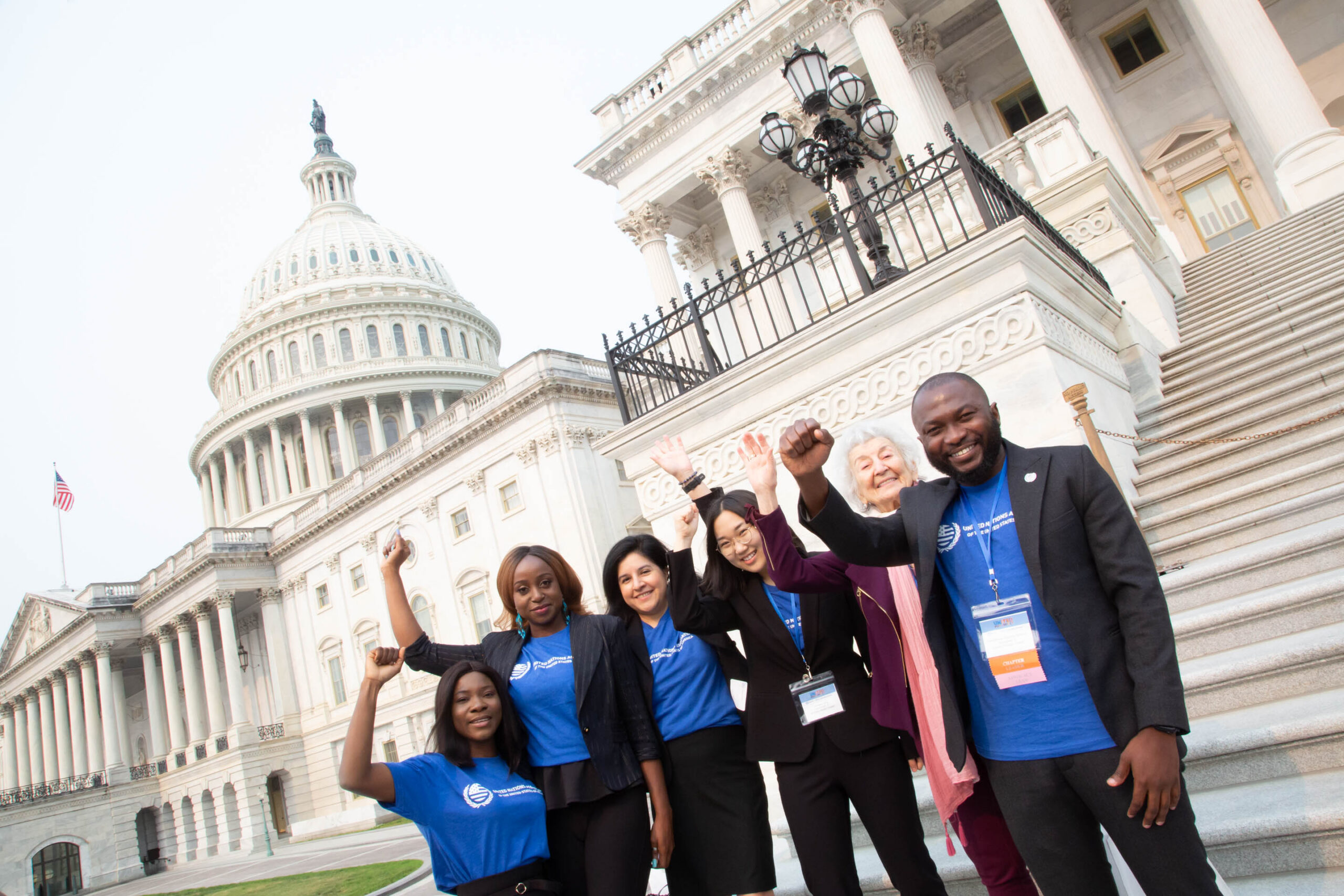
I am deeply grateful to the United Nations Association of the USA for the opportunity to be part of such a powerful and inspiring space, to sit in rooms where global change is not just discussed, but actively shaped.
CSW70 was not just a conference; it was a call to action. A reminder that gender equality requires courage, collaboration, and continuous effort at every level of society. It has strengthened my commitment to being part of that change.
As we move forward, the challenge is clear:
To turn global conversations into local impact and ensure that no woman or girl is left behind, because if we can impact even one girl child, we are already making the world better.