Official Statements: UN Secretary-General
A Message from UN Secretary General António Guterres, Regarding the Conflict in Iran. READ FULL STATEMENT HERE.
“…I call for an immediate cessation of hostilities and de-escalation. Failing to do so risks a wider regional conflict with grave consequences for civilians and regional stability. I strongly encourage all parties to return immediately to the negotiating table.
I reiterate that there is no viable alternative to the peaceful settlement of international disputes, in full accordance with international law, including the UN Charter. The Charter provides the foundation for the maintenance of international peace and security.”
A Statement from UN Secretary General António Guterres, Remarks to the Security Council Meeting on the Situation in the Middle East. READ FULL STATEMENT HERE.
“…The UN Charter provides the foundation for the maintenance of international peace and security.
Article 2 of the Charter clearly states: “All Members shall refrain in their international relations from the threat or use of force against the territorial integrity or political independence of any state.”
International law and international humanitarian law must always be respected.”
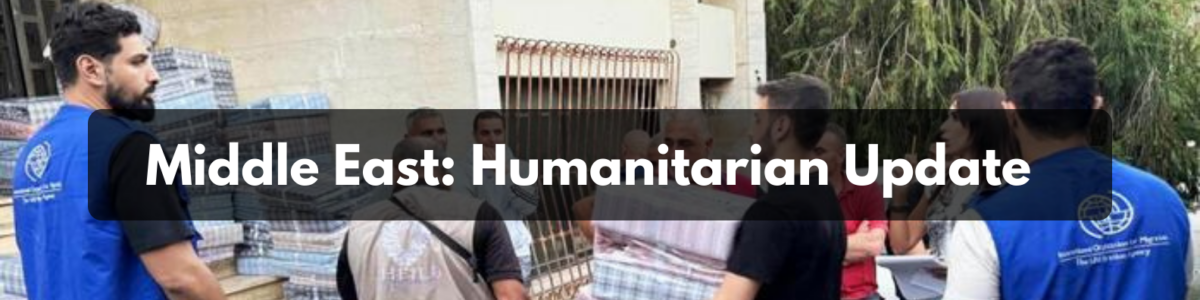
As violence escalates across the Middle East, UN humanitarian agencies are warning that the crisis is already driving new waves of displacement and placing growing strain on aid systems.
From rising internal development in Iran to overcrowded shelters in Lebanon and severe aid restrictions in Gaza, humanitarian needs are increasing rapidly across the region. This update highlights how UN agencies are responding and what the escalating conflict could mean for civilians caught in the crisis.
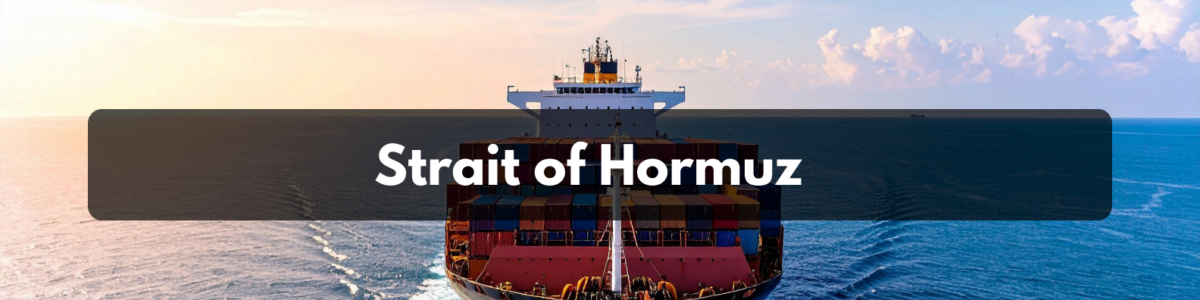
As tensions rise across the Middle East, attention has turned to one of the world’s most important shipping corridors: the Strait of Hormuz. Roughly one-fifth of the world’s oil supply passes through this narrow waterway, making any disruption a potential global economic shock.
This explainer examines whether Iran could legally close the strait, how such a closure might happen in practice, and why international maritime law plays a critical role in keeping global trade routes open.
The UN Security Council convened an emergency session following rapidly escalating tensions in the Middle East. Member States presented sharply different perspectives, reflecting deep divisions over security, sovereignty, and international law. At the same time, representatives across regions warned of the risk of broader regional conflict and emphasized the urgent need for de-escalation.
Moments like this underscore the unique role of the United Nations as the only global forum where countries can address crises in real time, present their positions, and pursue diplomatic solutions to prevent further escalation. Updates will be provided as new information is available.
 The United Nations Department of Global Communications launched a one-stop multimedia news portal: UN News. It is the entry point that can help you navigate the work of the United Nations easily. Chapters, UNA members, and the public are encouraged to amplify UN News by retweeting, sharing, or even purposing UN News’ posts on social media.