Local Chapters, Global Rights: Insights from My UNA‑USA Internship
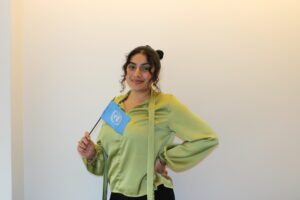 My chapter engagement internship with UNA‑USA has been one of the highlights of my undergraduate experience. Working with my supervisor, Madison Peak, I learned how engagement and advocacy function in practice, not just in theory. I’ve always cared deeply about human rights, but this internship gave me the space and confidence to develop my own stance and voice within that work. It helped me understand how my personal interests connect to real advocacy efforts happening across the country, grounding my commitment to this field in something tangible and purposeful.
Part of that commitment comes from recognizing how much of my own stability and opportunity is the result of luck. I was born into a life with plentiful food, clean water, quality education, two married parents, financial security, and a strong network of friends and family. None of these things were earned before I took my first breath, they were just given. The only thing separating my experience from someone born into hardship is luck. Understanding that has made it impossible for me to ignore inequality and drives me to work toward a world where those basic foundations aren’t left to chance.
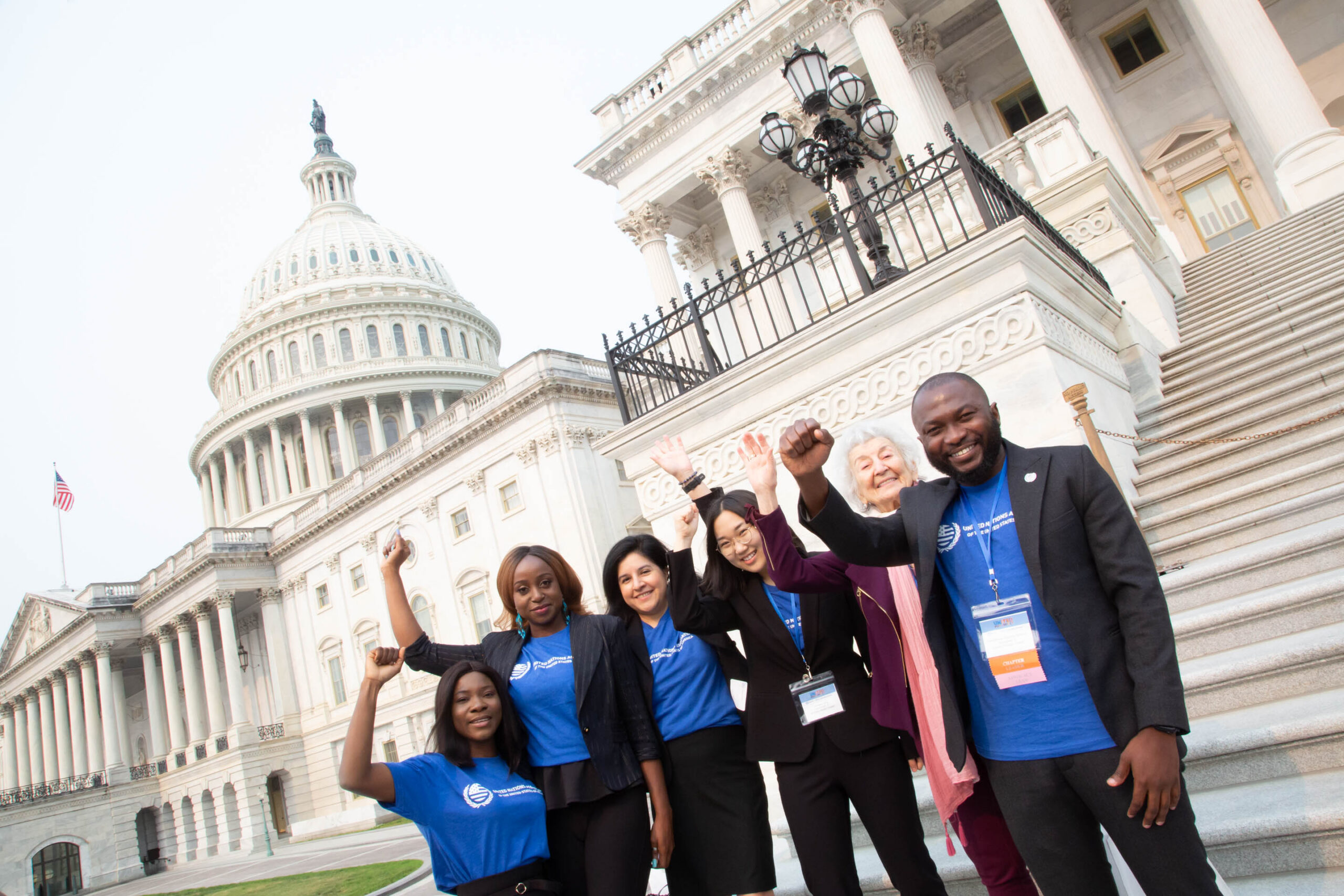
Some of the most meaningful moments of my internship came from serving as the secondary staff liaison for UNA Women’s Affinity Group events in Washington, DC and New York. Being part of that community showed me how UNA‑USA brings the 17 Sustainable Development Goals to life, especially those focused on gender equality, youth empowerment, and LGBTQ+ rights. It was powerful to see these global priorities translated into real conversations and collective action.
As a political science major, I’ve spent years studying how global norms form and how institutions like the UN shape what countries choose to prioritize. UNA‑USA turns international values into advocacy here in the United States with events like the Global Engagement Summit and through the solidarity built across campus and community chapters. I also recognized connections to public policy theories, particularly the advocacy coalition framework, which explains how groups with shared beliefs work together to influence policy. Watching UNA‑USA collaborate with volunteers, partner organizations, and affinity groups showed me how the associations form and how they keep human rights issues at the forefront.
What resonated with me most was the organization’s commitment to uplifting communities that are often overlooked, such as women in the Global South whose voices are frequently excluded from policy conversations despite facing some of the world’s most persistent inequalities.
This internship also reinforced my belief that education and human rights advocacy go hand in hand. I’m passionate about quality education or SDG #4 because I believe it’s the foundation for everything. It gives people the tools to grow, advocate for themselves and others, and ultimately reach fulfillment; much like in Maslow’s hierarchy of needs. We all require a base of security, safety, and dignity, which is exactly what UNA‑USA works to promote internationally. It still surprises me that this kind of work is considered controversial in the US political landscape, especially when many other developed countries view these issues as basic human rights. When inclusivity is embraced as a shared social value upheld collectively, rather than reduced to a political argument, communities flourish and people thrive.
Another realization I had during my time here is how it’s expected for the UN to stop wars when it has no independent enforcement power. While the UN was created after World War II to prevent another global catastrophe, it was never designed to act as a world government with its own military. Blaming the UN for conflicts it legally cannot prevent and using it as a reason to defund it overlooks how the system actually works. Weakening the UN would have serious long‑term consequences for global diplomacy, peacekeeping, and international cooperation.
In the long run, I hope for a world where the mission of the United Nations isn’t questioned but understood as essential to global progress. Many people who have had the privilege of higher education already recognize this, but the goal is to make that understanding universal so no one is left behind. Overall, my experience with UNA‑USA strengthened my dedication to human rights advocacy, highlighted how essential local engagement is, and stresses the urgency of continued progress.