More Than Meetings: What the 2026 UNA-USA Advocacy Summit Taught Me About Advocacy
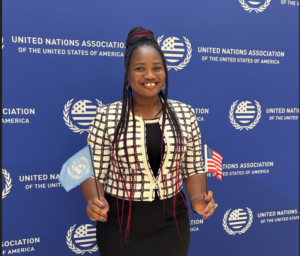 Before this summer, advocacy mostly existed in my mind as the moment someone sat down with a congressional office to discuss an important issue. I knew preparation happened beforehand, but I didn’t fully appreciate just how much collaboration, learning, and relationship-building takes place before those conversations ever begin.
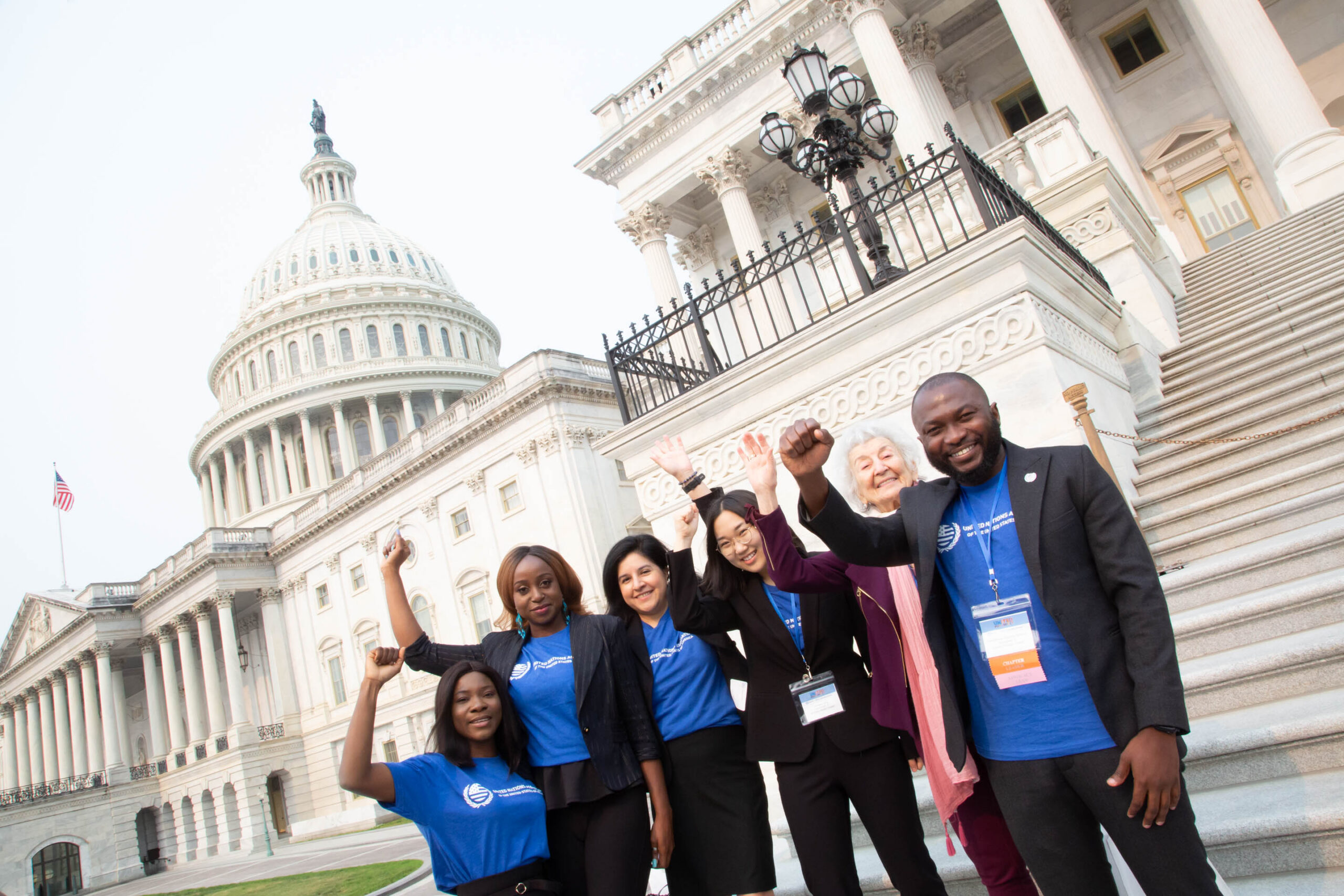
Serving as a Chapter Development Intern with the United Nations Association of the USA (UNA-USA) gave me the opportunity to experience the 2026 Advocacy Summit from behind the scenes. Over two days, I watched advocates from across the country come together with one shared purpose: to learn, connect, and use their voices to advance policies that strengthen both the United States and our global community.
What made this experience especially meaningful was how closely it connected to my own work.
This summer, I am also an Archer Fellow studying federal policymaking while researching Black maternal mortality in the United States. My policy paper examines how federal policy can better address preventable maternal deaths and improve accountability in maternal health systems. Supporting the Summit’s maternal health breakout session allowed me to see those policy conversations move beyond academic research and into real-world advocacy.
One message stayed with me throughout the session: many maternal deaths are preventable. During the discussion, speakers emphasized that maternal health does not exist in isolation. In humanitarian crises (including conflict, displacement, and natural disasters), women and girls often face even greater barriers to receiving safe, timely care. Pregnancy does not pause during emergencies, making maternal health an essential part of both domestic and global policy conversations.
As someone who has spent weeks reviewing research, interviewing stakeholders, and studying maternal health policy, hearing experts discuss preventable maternal mortality reinforced why this work matters. Behind every statistic is a mother, a family, and a community forever changed. Preventing these deaths requires more than excellent clinical care; it requires policies that improve access to care, address systemic inequities, and ensure accountability across our healthcare system.
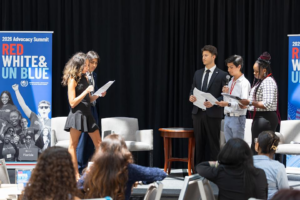
Another highlight was helping facilitate advocacy training alongside my fellow interns. Through role-playing exercises, we demonstrated what advocates might experience during meetings with congressional staff. We practiced introducing ourselves, sharing compelling stories, making clear policy requests, and responding thoughtfully to questions from staffers and senators. While these scenarios were simulated, they reflected real conversations that participants would have on Capitol Hill.
Watching participants grow more confident reminded me that advocacy is a skill that anyone can develop. It isn’t about having all the answers. It’s about listening, building relationships, and communicating with clarity, respect, and purpose.
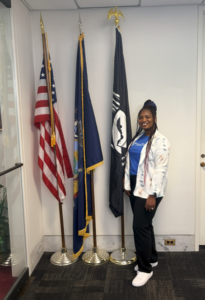 On the second day of the Summit, I helped coordinate advocates as they prepared for meetings with congressional offices on Capitol Hill. As groups gathered, checked their schedules, and made their way to appointments, I gained a new appreciation for the work that happens behind the scenes. Successful advocacy doesn’t happen by accident; it depends on thoughtful planning, teamwork, and countless people working together to create opportunities for meaningful conversations.
Perhaps the biggest lesson I will take away from this experience is that advocacy and research are inseparable. Research helps us understand problems and identify solutions. Advocacy ensures those solutions reach the people with the power to act. Before this summer, I viewed research and advocacy as two related but separate parts of the policy process. The Advocacy Summit showed me that they are, in fact, deeply interconnected. Evidence informs advocacy; advocacy shapes policy conversations, and those conversations can ultimately lead to better outcomes for communities.
As I continue my academic and professional journey, I hope to contribute to bridging those two worlds. Whether through research, policy analysis, or community engagement, I want my work to contribute to evidence-informed policies that improve health outcomes, particularly for mothers and families.
I am incredibly grateful to the UNA-USA staff, fellow interns, chapters, and advocates who made this experience possible. Their passion reminded me that meaningful change rarely begins with one person. It begins with people willing to learn from one another, work together, and keep showing up for the issues they care about.
The Advocacy Summit reminded me that advocacy is far more than a meeting on Capitol Hill. It is preparation. It is partnership. It is persistence. And perhaps most importantly, it is hope put into action.